If you’ve ever felt overwhelmed by complicated screenwriting formulas, or frustrated by rigid story structures that don’t quite fit your voice, it’s time to try something simpler, sharper, and more flexible.
Introducing: the Magpie Method.
Inspired by the clever, curious magpie—a bird known for collecting shiny treasures—the Magpie Method helps you focus on the essential, high-impact beats that make a story emotionally satisfying. Whether you’re writing a short film, a web series, or even a feature-length script, this structure will keep your storytelling on track without boxing you in.
Think of it like a rhythm: upswings, downswings, revelations, and payoffs that create a natural flow. Here’s how it works:
1. People and Their Problems
Before anything else, the audience needs to care. Show us your characters. Let us see their quirks, their relationships, and—most importantly—what’s broken in their world. Whether it’s loneliness, injustice, or personal failure, make it clear: something is off-balance.
This is the emotional anchor that draws people in.

2. What Do You Want?
Now that we know your characters, introduce the idea of change. What does your main character want? What does “better” look like for them? It’s important to tease this early on—not as a guarantee, but as a distant, tempting goal.
At this point, the solution feels out of reach, but the desire is planted.
3. Change Course
Enter the catalyst—the unexpected event or disruption that forces the character to act. This is the moment their normal world flips upside down, and they’re pulled onto a new path. The “break into Act Two,” in traditional terms.
It should feel like a turning point that can’t be ignored.
4. The Beat Down
Just because they’ve chosen to change doesn’t mean it’s easy. The Beat Down is where your character struggles, stumbles, and even fails. These early attempts at progress usually backfire, raising the stakes and making the climb steeper.
This is where tension builds and audiences root harder.

5. Big Reveal, Story Gets Real
Ah, the midpoint. This is your story’s heart—the major revelation or event that fundamentally changes everything. It’s often an emotional high or low, but it’s always irreversible. From here on, the stakes are clearer, the risks are bigger, and the pace accelerates.
Once this hits, your story shifts into high gear.
6. The Fight Begins
Armed with new knowledge, tools, or personal growth, your character fights back. They’re no longer fumbling in the dark—they’re taking action with a purpose. Whether it’s a literal battle or internal victory, this phase shows active effort to resolve the conflict.
We love seeing characters adapt and push forward.

7. Dark Night of the Soul
Just when progress seems possible, it all collapses. This is your character’s lowest point—the moment when defeat feels inevitable. They question themselves, their goals, and whether any of it was worth it.
It’s the moment that tests their spirit.


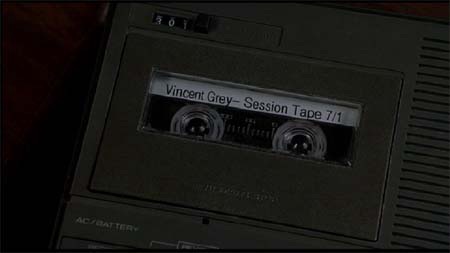
8. Look Back to Find the Solution
And yet, from the ashes comes insight. A small detail, a forgotten lesson, or a quiet memory resurfaces to light the way forward. The answer was always there, but it took the full journey to recognize it.
This moment reignites hope and sharpens the final objective.
9. Show Me How It Works
Now, it’s time to act. Not with words or promises—but with results. The solution unfolds in action. Your audience watches the resolution happen, proving that change was possible.
This is where payoff meets satisfaction.

10. A Little Slice of Heaven
Stories don’t need to end in perfection, but they should end in resolution. A little slice of heaven shows that life, while still flawed, is now better. Loose ends are tied, core conflicts are resolved, and your characters have earned their peace—or at least a moment of it.
Leave your audience with a feeling of closure.
Why the Magpie Method Works
The Magpie Method keeps your story focused on emotional momentum. It avoids the trap of mechanical plotting, replacing it with human rhythm: struggle, discovery, growth, and resolution. It’s perfect for:
Student filmmakers making their first short Indie creators wanting freedom with structure Screenwriters looking to draft fast but with purpose
Ready to write your next screenplay? Start with the Magpie Method and let your story take flight.


 Movie Magpie
Leave a comment